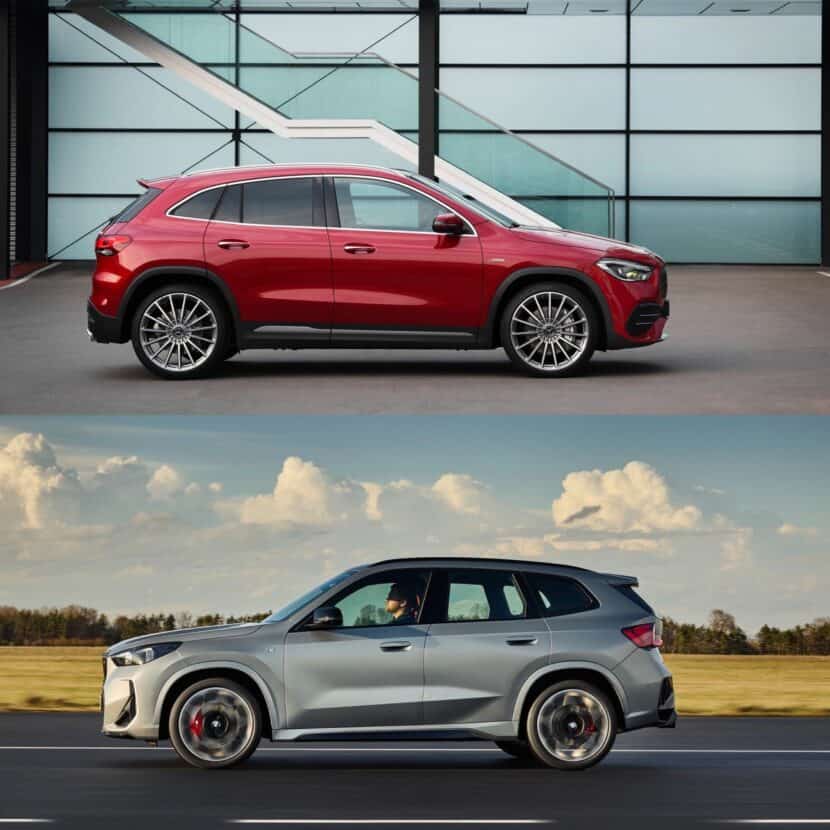
The 2025 US luxury sales battle ended with a clear winner, and it wasn’t close. BMW wrapped its third straight record-breaking year with 388,897 vehicles delivered—a 4.7% increase that extended their dominance over a struggling Mercedes-Benz lineup. The 85,697-unit gap between the two German rivals tells the real story: while BMW found momentum across sedans, SUVs, and performance models, Mercedes-Benz barely moved the needle with 303,200 passenger cars, up just 1% from 2024.
Even more damaging for Stuttgart: Lexus slipped past Mercedes-Benz into second place with 370,260 deliveries, relegating Mercedes to third in a market they once controlled. Add in 40,000 commercial vans and Mercedes-Benz’s total US figure hits 343,200 units—still nearly 46,000 units short of BMW’s passenger car performance alone.
The Gap Widened Throughout the Year
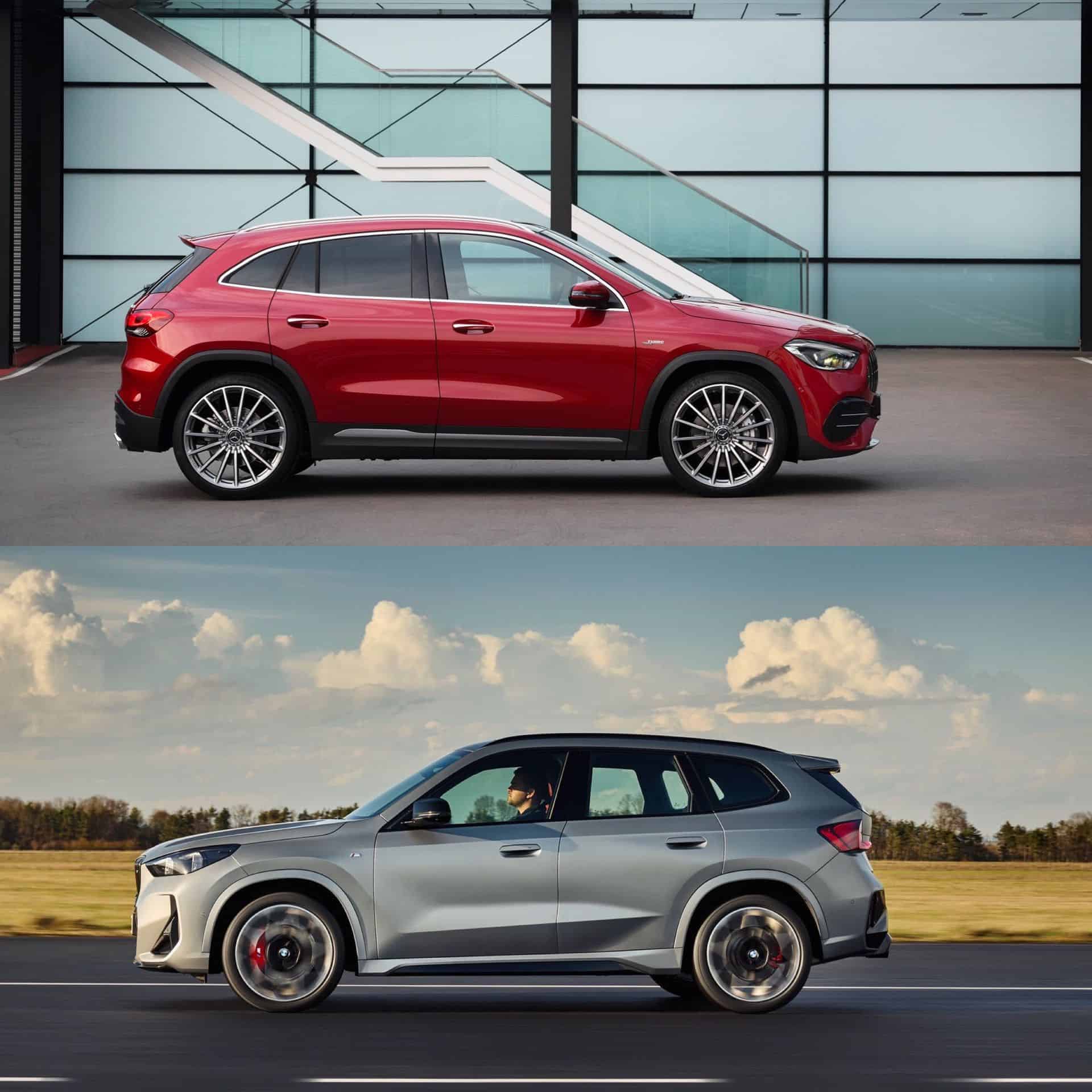
BMW’s advantage grew larger as 2025 progressed. In the first half, BMW delivered 178,499 units while Mercedes managed only 142,000—a 36,499-unit deficit. By Q3, the disparity became embarrassing: BMW surged 24.9% to 104,163 units while Mercedes collapsed 17% to just 70,800 deliveries in the quarter.
BMW’s strength came from product breadth. The X3 and X5 led sales, but the brand found buyers across its entire lineup—from the 3 Series sedan to M performance models. Strong double-digit Q3 growth in a tariff-impacted market proved BMW’s positioning resonated with American luxury buyers in ways Mercedes-Benz’s couldn’t match.
Mercedes-Benz’s SUV-Only Success Story
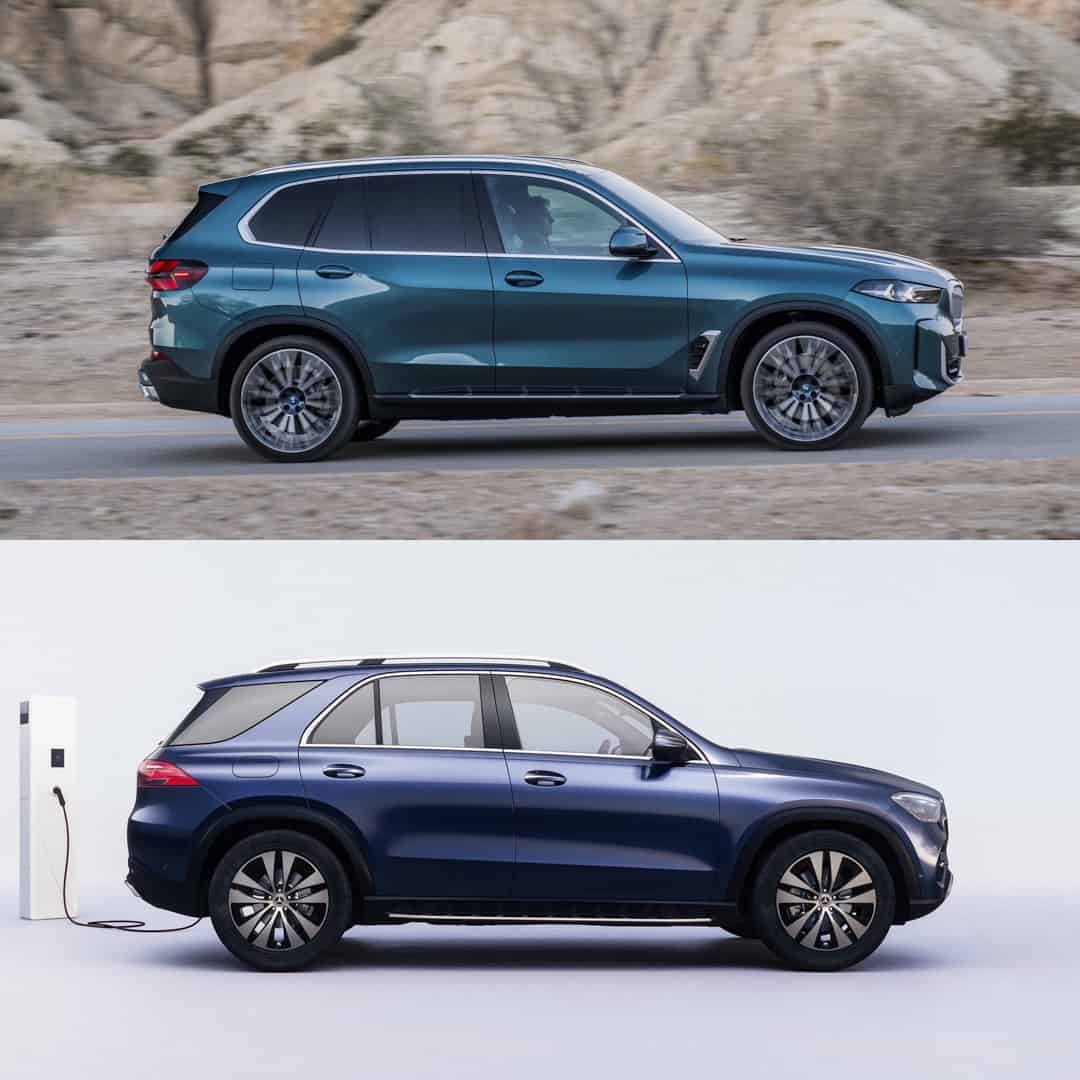
For Mercedes-Benz, SUVs delivered exactly as expected in today’s American market, even if they couldn’t close the BMW gap. The Alabama-built GLE recorded its strongest year ever with 14% growth over 2024, capping the performance with a 12% fourth-quarter surge. The GLC matched that energy with a 20% year-over-year gain, keeping Mercedes-Benz competitive in premium crossovers even as overall market share eroded.
But that’s where the good news ends. Commercial vans collapsed 14% to just 40,000 units despite a slight Q4 recovery. Passenger car sales barely budged as competitors deployed aggressive incentives and fresh products. While BMW grew across multiple segments, Mercedes-Benz leaned almost entirely on two SUV nameplates to maintain respectability.
Performance Models Can’t Compensate for Volume Losses

Mercedes-AMG set a new sales record with 12% growth, and the G-Class crushed expectations with a 26% increase to its own best-ever year at 26% growth. The CLE coupe surprised with 53% growth year-over-year, and the entry-level GLA crossover jumped 21%.
BMW countered with its own performance success: M model sales climbed, SUV deliveries remained strong, and even with a 16.7% drop in pure electric vehicle sales (mirroring broader US BEV market weakness after federal incentives ended), BMW maintained momentum. Mercedes-AMG’s record year sounds impressive until you realize BMW posted gains without needing to lean on halo products.