Article Summary
- The E46’s S54 engine is one of the great naturally aspirated inline-sixes ever made — the American E36 M3 never got anything close.
- The E36 still has the best steering feel of any 3 Series, but that advantage doesn’t outweigh 35 years of age and a dated interior.
- Every E46 from 1999 to 2006 has the rear subframe cracking issue — inspect the mounting points before buying any example.
I’ve had this argument recently in a podcast with other fellow BMW enthusiasts, and once again, it never ends clean because people are so invested in their favorite 3 Series generation. So let me just tell you the answer upfront: the E46 is the better car. The E36 has a genuine case to make, and I’ll make it fairly, but the conclusion isn’t actually close.
The Cars That Started A Religion
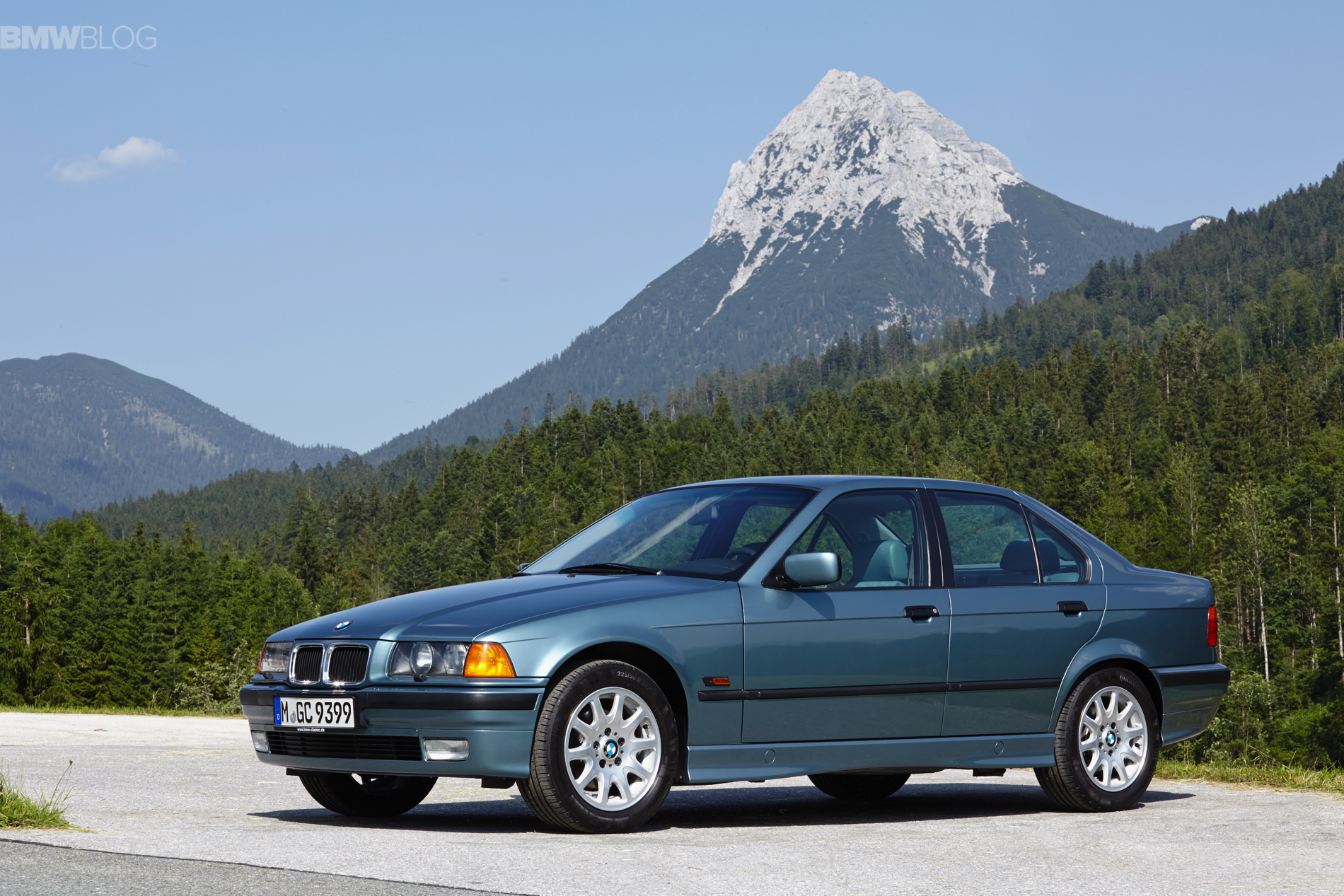
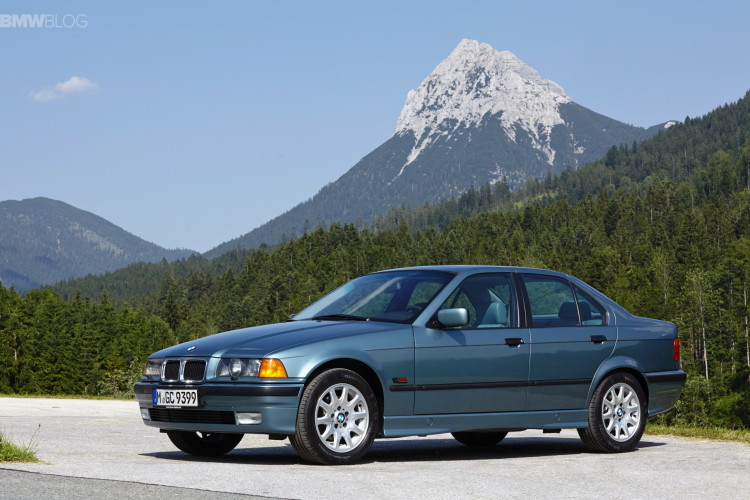
The E36 launched in 1990 with a hard act to follow. The E30 had made the 3 Series name mean something — the kind of car people get irrational about — and the E36 was supposed to continue that without ruining it. It mostly didn’t ruin it. Hydraulic steering, rear-wheel drive, a proper multi-link rear suspension, and a range of inline-sixes that ran from fine to excellent. A 328i coupe with a manual was a great car, and in retrospect it was the last 3 Series that felt truly unfiltered — not because BMW was trying to make it raw, but because they hadn’t yet figured out how to sand all the edges off.
The E46 arrived in 1997 and sanded the edges off. The chassis was 70% more rigid. The interior went from functional to genuinely good. The brakes, the safety equipment, the ride — all better. And the M54 inline-six that powered most of the non-M lineup is one of those engines that only gets more respect with age, because everything that replaced it was turbocharged and numb by comparison.
The Last 3 Series That Bites Back

The E36 has one thing the E46 can’t match: the steering. And that’s something I experienced recently on a drive from Munich to Como. Get into a well-sorted 328i and it tells you exactly what the front tires are doing, without filtering or delay. Turn in and the nose follows your hands with an almost unsettling directness. Add more lock mid-corner and the car responds in exact proportion. That kind of linearity — where the wheel feels connected to actual physics rather than a software interpretation of them — was already disappearing by the time the E46 launched and has basically been absent from BMW road cars ever since.
The M-spec “Vader” seats are another genuine highlight. Named for their distinctive shoulder bolster shape, they’re supportive on a long drive and locked-in on a back road. Enthusiasts treat them as a point of pride; finding a car without them is the first step toward finding a set that do.

But that’s about where the E36’s advantages stop. The rest of the interior is simply dated — not charmingly old, just dated. Scratchy plastics, a driving position that feels approximate rather than designed, switchgear that communicates “we had a budget.” And the cars are 25 to 35 years old now certainly have their share of issues, like cracked arm mounting points, noisy VANOS units and more.
So you’re not buying a bargain anymore — clean examples have gotten expensive — and you’re buying all of that maintenance with it.
Why The E46 Wins
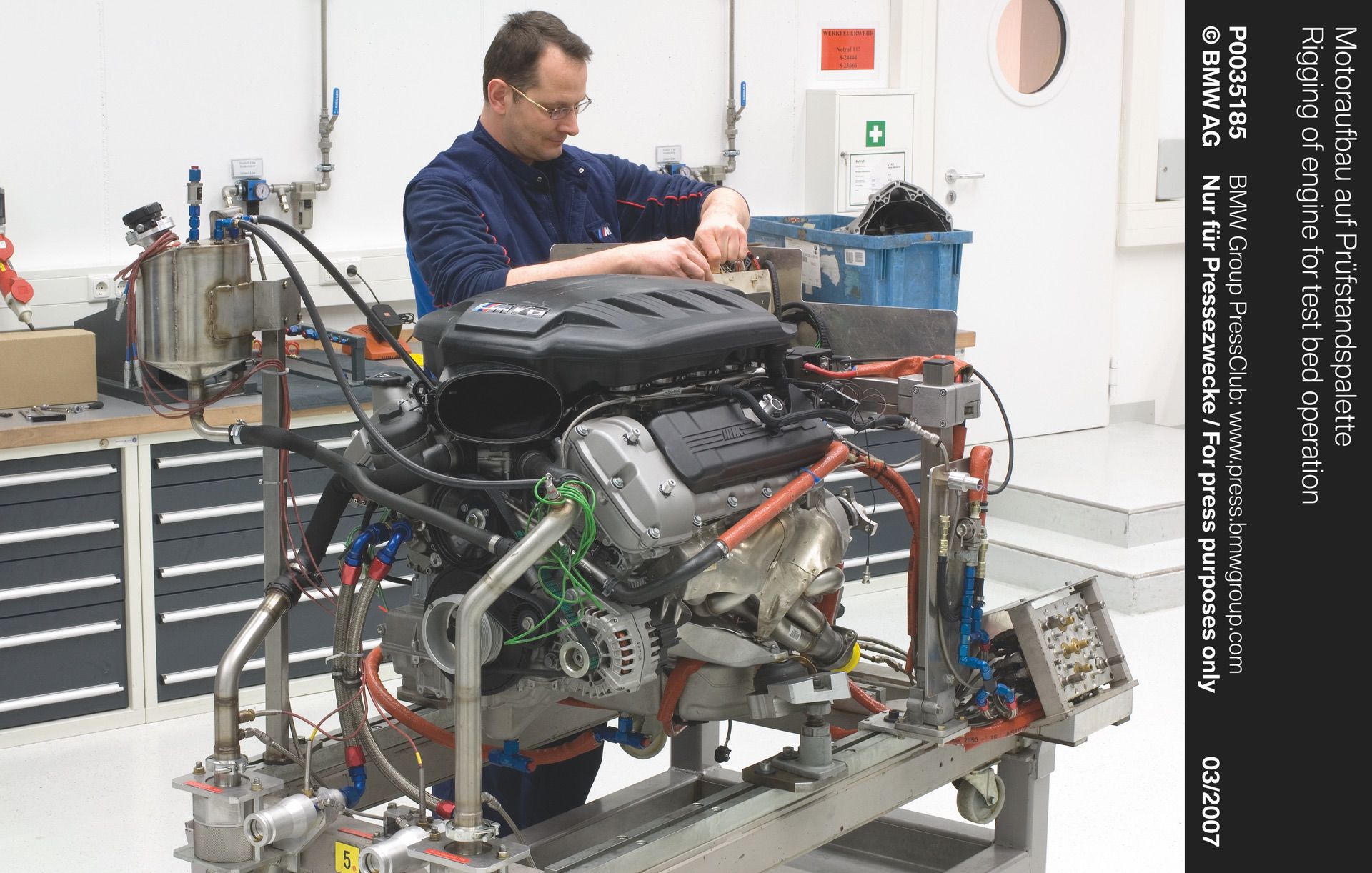
The S54. If you’re approaching this at the M3 level, everything else is secondary. Six individual throttle bodies, 7,900 rpm redline, 333 horsepower from a 3.2-liter naturally aspirated straight-six that makes a noise at full chat like it’s genuinely trying to escape the engine bay. The American E36 M3 got the S52 — 240 horsepower, a single throttle body, basically a worked-over 328i engine — because BMW didn’t think US buyers would pay for the real thing. They were wrong, and the E46 was the correction. The S54 is why people still argue about this M3 in 2026.
Not nostalgia. The engine is actually that good.
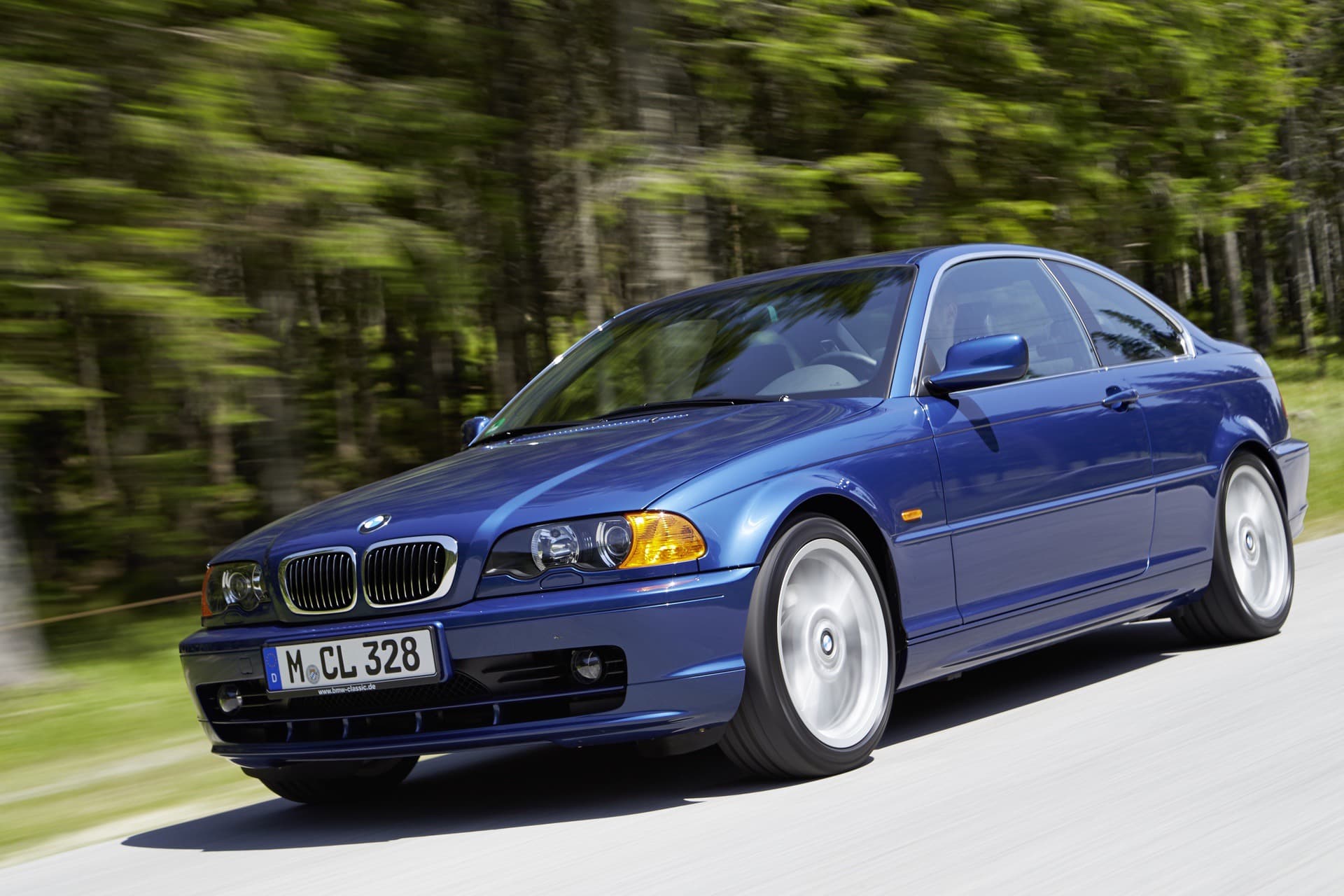
Outside the M3, the E46 is still the better car. The M54 3.0-liter is smooth and willing in a way that makes the E36’s engines feel like they’re trying harder for less. The interior is in a different league — real materials, real ergonomics. The chassis has more grip and more precision. And the 330i with the ZHP Performance Package — firmer suspension, quicker steering, close-ratio gearbox — is a proper enthusiast’s car that you can also drive to work without planning your route around independent BMW shop locations.
The E46 M3 does have the subframe problem. The rear axle carrier panel fatigues and cracks at the mounting points on every car from 1999 to 2006, no exceptions, worse on more powerful models. The cooling system has the same plastic-component time bomb as the E36. And avoid the SMG transmission — it was hesitant, jerky, and the electrohydraulics have not aged well. The resale discount on SMG cars versus manuals tells you what the market figured out. Manual or nothing.
So Why Does The E46 Win?
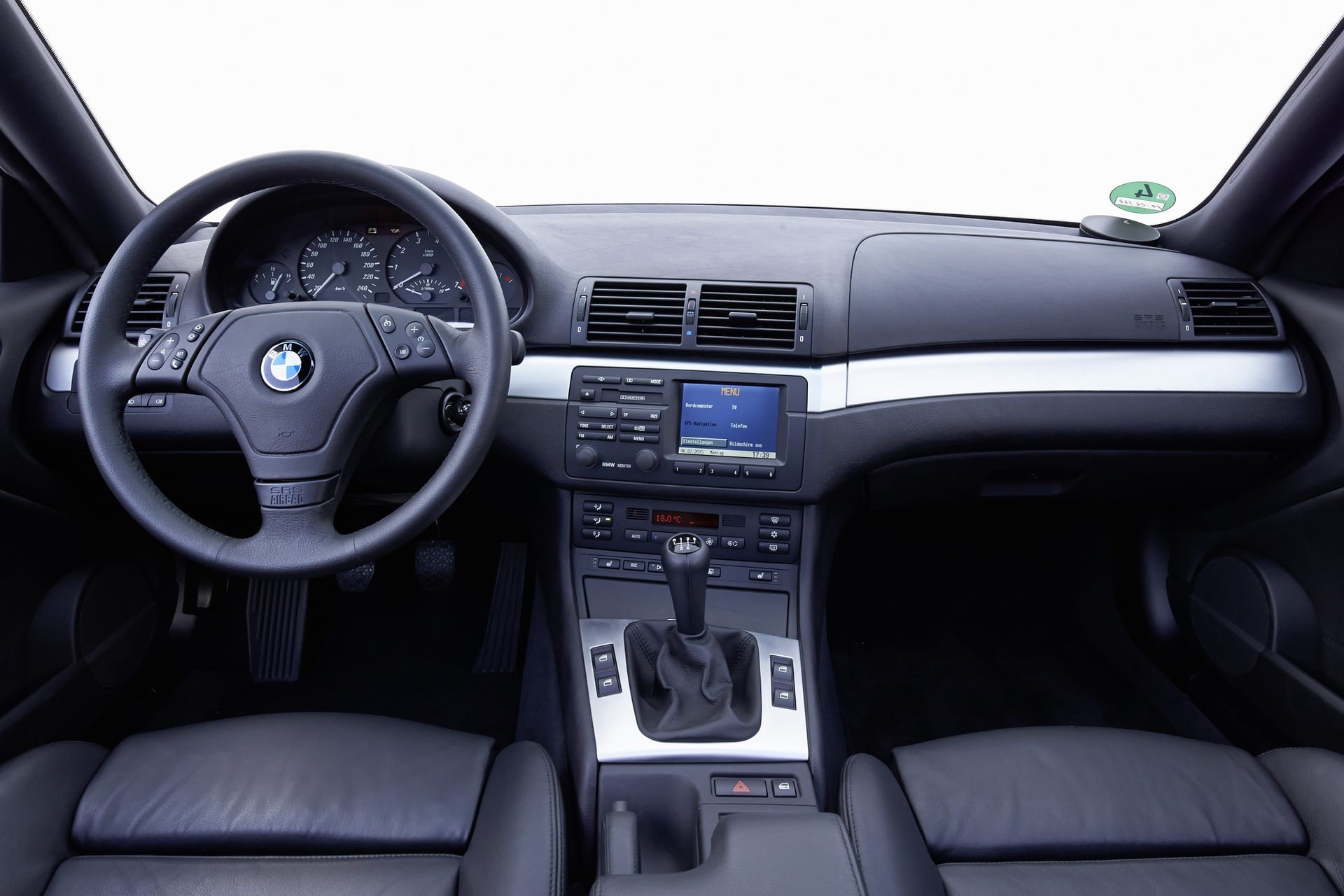
The E36 is a car you appreciate under specific conditions — ideally a quiet back road, a clear head, and no time pressure. The steering is special. The feel is hard to replicate. But it asks a lot of you in exchange: maintenance attention, tolerance for a dated interior, and the acceptance that its performance numbers look modest against almost anything built since.
The E46 gives you most of what the E36 offers in terms of driving involvement and adds a better engine, a better interior, more grip, and a car you can actually use across a wider range of situations. The S54 M3 is one of the great naturally aspirated performance cars of the last thirty years, full stop. The ZHP 330i is the pick for most people — driver’s car, daily driver, one car.
The E36 is worth driving. The E46 is worth owning.
FAQ BMW 3 Series
The cooling system is the main vulnerability. Plastic components — radiator tanks, thermostat housing, expansion tank — get brittle with age and fail suddenly rather than gradually. An overheated M50 or M52 means a warped head, which is an expensive repair. Refresh the entire cooling system preventively on any E36 you buy. Trailing arm mounting point cracking, VANOS noise, and oil leaks are also expected on cars this age.
The rear axle carrier panel develops fatigue cracks at the points where the rear subframe mounts to the body. It affects every E46 from 1999 to 2006 — no exceptions — and is worse on higher-powered models. The fix is welding reinforcement plates to the floor; done properly it holds indefinitely. Check the mounting points on any E46 before buying.
Yes. The Sequential Manual Gearbox was hesitant, jerky under downshifts, and the electrohydraulics have not aged gracefully. SMG cars carry a meaningful discount on the used market compared to manuals, which is the market’s verdict. Buy the manual or budget for a conversion.
The E46. More examples to choose from, better parts availability, and it’s more forgiving of the learning curve that comes with any older European car. The E36 rewards mechanical experience and a tolerance for a car that demands your attention. It’s not the right starting point for someone who just wants to drive.